Tuesday, July 25, 2006

Staci Diamond Baby Wear

Ernst Cassirer (1874-1945 †)

Homepage

Ernst Cassirer: Wroclaw 1874 - New York 1945. German philosopher. Professor of history of philosophy in Berlin and Hamburg, then taught at Gothenburg in Sweden and the United States from 1940 to Yale University. He gave importance to the symbolic forms of knowledge and in particular the myth. In the myth contains the symbol, which is the first stage of the objective form of knowledge. "The symbol is for the knowledge, so to speak, the first stage and the first test of objectivity because, thanks to it, for the first time offered a full stop to the constant changing of the contents of consciousness, because they are determined and highlighted a permanent "(Cassirer). - Negri: Part One. Current theoretical and itineraries. I. Neocriticism. 2. Ernst Cassirer. The late Prof.
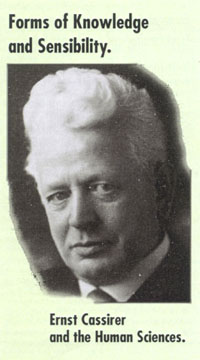
friend Antimo Negri (1923-2005 ) had directed an editorial entitled "Twentieth century scientific and philosophical - Starring" to which I had also cooperated by providing the translation of some texts which are then entered in the five volumes published by Marzorati Editore. Philosophers are many and numerous. As he himself stated, the series was not intended as closed. And I paid homage to his friend and teacher passed away I use the identification that he had made the "protagonist" of the twentieth century, to accept the criteria for identifying and then integrating the framework with other cards that I added, not necessarily "Protagonists" but only "significant" according to my personal attempt to reconstruct the history of philosophy, which mainly relies on links collected by the network, which try to give my own added value. The cards are intended for a primarily educational. This is a Route to speculate what has already left for longer periods of ancient philosophy in the light of the interpretation Nietzsche and the publishing schedule set by Giorgio Colli for the review of Greek Wisdom. The Twentieth Century scientific and philosophical journey is done backwards in time. The complete picture includes the whole historical course of philosophy without limits of space and planting. New cards are added to the previous even for a simple reference in the discussion of a philosopher "major", that has mostly left their mark in the history of philosophical and scientific thought. Bloggers who land at my blog will only have the patience to wait until the container is filled with the intended contents, but if they understood the system of publishing their own blog can work with them.

Starring:
See also:

A. Links in Italian
a short statement
2. Diego Fusaro: Ernst Cassirer
3. Ernst Cassirer
4. EMSF: PC with songs anthology
5. Cassirer: On symbols


B. Links in German
1. History
2. John Michael Krois: Der Begriff des Mythos bei Ernst Cassirer
3. Ernst Cassirer, andthe politischer Philosoph
4. Universitat Hamburg: Ernst Cassirer
5. BBK: Cassirer

C. Links in English
1. Wikipedia: Ernst Cassirer
2. The Breslau Generation
3. The Neo-Kantians and the 'Logicist' Definition of Number
4. Yahoo! Education: Cassirer, Ernst
5. EmistemeLinks: Ernst Cassirer


D. Links in English
1. A introducción Ernst Cassirer
2. Diccionario de Soviet philosophy: Ernst Cassirer
3. Infoamerica: Ernst Cassirer
4. Ernst Cassirer
5. Ernst Cassirer


E. Links in French
1. Wikipedia: Ernst Cassirer
2. The notion of forms symbolique chez Ernst Cassirer et son application au cas du langage
3. editorial board

4. TEXT

5. TEXT


books online
A. In the original language
TRANSLATED TEXTS
B. In the Italian translation
C. In German translation
D. In English translation
E. In the English translation
F. In the French translation

Unhandled Exception: C00000005 No Vice City

Heinrich Rickert (1863-1936 †)

Homepage
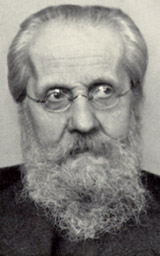
HEINRICH Rickert: Danzig 1863 - Heidelberg 1936. German philosopher. E 'was a pupil of Wilhelm Windelband and is considered the leader of the Baden neo-Kantian school. He was professor at Freiburg and Heidelberg. The problem of the essence of value is the specific object of his philosophy. Although the values \u200b\u200bdo not belong to the real world of things and objects, they exist as eternal essences independent entities receiving them. The values \u200b\u200bare revealed in the act of the court and the task of philosophy is to classify values, placing them into six distinct domains: logic, aesthetics, mysticism, ethics, erotica, philosophy of religion. - Negri: Part One. Current theoretical and itineraries. I. Neocriticism. 1. Heinrich Rickert. The late Prof.

friend Antimo Negri (1923-2005 ) had directed an editorial entitled "Twentieth century scientific and philosophical - Starring" to which I had also cooperated by providing the translation of some texts which are then entered in the five volumes published by Marzorati Editore. Philosophers are many and numerous. As he himself stated, the series was not intended as closed. And I paid homage to his friend and teacher passed away I use the identification that he had made the "protagonist" of the twentieth century, to accept the criteria for identifying and then integrating the framework with other cards that I added, not necessarily "Protagonists" but only "significant" according to my personal attempt to reconstruct the history of philosophy which mainly relies on links collected by the network, which try to give my own added value. The cards are intended for a primarily educational. This is a Route to speculate what has already left for longer periods of ancient philosophy in the light of the interpretation of Nietzsche and the publishing schedule set by Giorgio Colli for the review of Greek Wisdom. The Twentieth Century scientific and philosophical journey is done backwards in time. The complete picture includes the whole historical course of philosophy without limits of space and planting. New cards are added to the previous even for a simple reference in the discussion of a philosopher "major", that has mostly left their mark in the history of philosophical and scientific thought. Bloggers who land at my blog will only have the patience to wait until the container is filled with the intended contents, but if they understood the system of publishing their own blog can work with them.

Starring:
See also:


See also: Wilhelm Windelband.

A. Links in Italian Domenico
1 Turkish: Heinricj Rickert
2. The differences between the Marburg school and that of Baden

3. TEXT

4. TEXT

5. TEXT


B. Links in German
1. TEXT

2. TEXT

3. TEXT

4. TEXT

5. TEXT


C. Links in English
1. TEXT

2. TEXT

3. TEXT

4. TEXT

5. TEXT


D. Links in English
1. TEXT

2. TEXT

3. TEXT

4. TEXT

5. TEXT


E. Links in French
1. TEXT

2. TEXT

3. TEXT

4. TEXT

5. TEXT


books online
A. In the original language
TRANSLATED TEXTS
B. In the Italian translation
C. In German translation
D. In English translation
E. In the English translation
F. In the French translation
Monday, July 24, 2006

Usaa Phone Prepaid Card Balance

Jesus Christ (1-33 †) - Christus, Christ .

Homepage

See also:

A. Links in Italian
1 History: Jesus Christ
2. The Passion of the Christ: A Guide to Mel Gibson
3. Jesus Christ, dates of birth and death
4. (continued)
5. (continued)
  • Edit-Me

  • B. Links in German
    1. (continued)
    2. (continued)
    3. (continued)
    4. (continued)
    5. (continued)
  • Edit-Me

  • C. Links in English
    1. EC: Jesus Christ
    2. (continued)
    3. (continued)
    4. (continued)
    5. (continued)
  • Edit-Me

  • D. Links in English
    1. (continued)
    2. (continued)
    3. (continued)
    4. (continued)
    5. (continued)
  • Edit-Me

  • E. Links in French
    1. (continued)
    2. (continued)
    3. (continued)
    4. (continued)
    5. (continued)

    books online
    A. In the original language
    TRANSLATED TEXTS
    B. In the Italian translation
    C. In German translation
    D. In English translation
    E. In the English translation
    F. In the French translation

    Wednesday, July 19, 2006

    Implantation Sonogram

    Cicero (106-43 BC †) - Cicero, Cicero, Cicero.

    Homepage

    See also: Philo of Larissa.

    A. Links in Italian
    1 Cicero
    2. De Amicitia
    3. Cicero
    4. Cicero
    5. Wikipedia: Cicero


    B. Links in German
    1. Wikipedia: Cicero
    2. Cicero
    3. Cicero
    4. Johannes Christes: Cicero und der römische Humanismus
    5. Cicero


    C. Links in English
    1. Cicero
    2. IEP: Cicero
    3. Wikipedia: Cicero
    4. Cicero
    5. Plutarch: Cicero


    D. Links in English
    1. TEXT

    2. TEXT

    3. TEXT

    4. TEXT

    5. TEXT


    E. Links in French
    1. TEXT

    2. TEXT

    3. TEXT

    4. TEXT

    5. TEXT


    books online
    A. In the original language
    - M. Tullius Cicero
    TRANSLATED TEXTS
    B. In the Italian translation
    - The Republic
    - Cicero: Friendship
    C. In German translation
    D. In English translation
    E. In the English translation
    F. In the French translation

    Monday, July 17, 2006

    Retirement Cards Wording

    Socrates (470-399 BC †) - Sokrates, Socrates, Sócrates.

    Homepage

    See also:

    A. Links in Italian
    1 Hans-Georg Gadamer: From Socrates to Heraclitus
    2. TEXT

    3. TEXT

    4. TEXT

    5. TEXT


    B. Links in German
    1. TEXT

    2. TEXT

    3. TEXT

    4. TEXT

    5. TEXT


    C. Links in English
    1. TEXT

    2. TEXT

    3. TEXT

    4. TEXT

    5. TEXT


    D. Links in English
    1. TEXT

    2. TEXT

    3. TEXT

    4. TEXT

    5. TEXT


    E. Links in French
    1. TEXT

    2. TEXT

    3. TEXT

    4. TEXT

    5. TEXT


    books online
    A. In the original language
    TRANSLATED TEXTS
    B. In the Italian translation
    C. In German translation
    D. In English translation
    E. In the English translation
    F. In the French translation

    Frito Lay Stock Prices

    Trasimaco (n. 460 a.C.) – Thrasymachos, Thrasymachus, Trasímaco, Trasymaque.

    Homepage

    See also:

    A. Links in Italian
    1 TEXT

    2. TEXT

    3. TEXT

    4. TEXT

    5. TEXT


    B. Links in German
    1. TEXT

    2. TEXT

    3. TEXT

    4. TEXT

    5. TEXT


    C. Links in English
    1. TEXT

    2. TEXT

    3. TEXT

    4. TEXT

    5. TEXT


    D. Links in English
    1. TEXT

    2. TEXT

    3. TEXT

    4. TEXT

    5. TEXT


    E. Links in French
    1. TEXT

    2. TEXT

    3. TEXT

    4. TEXT

    5. TEXT


    books online
    A. In the original language
    TRANSLATED TEXTS
    B. In the Italian translation
    - Luca Mori: Testimonials Thrasymachus
    C. In German translation
    D. In English translation
    E. In the English translation
    F. In the French translation

    Sunday, July 16, 2006

    Is There A New Fakku.net Homepage Now?

    This summary is not available. Please click here to view the post.

    Waxing Floor Clip Art

    Crizia (480-403† a.C.) – Kritias, Critias.

    Homepage

    With Heraclitus stops the Greek edition of Scholars, edited by Giorgio Colli, who died in 1979. The vision historiographical nietzsceana overturns the view that had so far on the so-called pre-Socratic philosophers, considered less than monumental work of Plato and Aristotle, largely preserved and handed down to us. The true wisdom, the culmination of greek thought should instead be sought in the few pieces left to us by these thinkers. The actual work of Plato and Aristotle is reconsidered as a source of indirect and misleading to imagine the thought of authors considered precursors of the arguments Aristotle and Plato. Giorgio Colli joined a list of scholars who would be returned to its publishing schedule: Vol I: Dionysus, Apollo, Eleusis, Orpheus, Museum, Hyperborean, Enigma. Vol II: Epimenides, Pherecydes, Thales, Anaximander, Anaximenes Onomacrito. These two volumes are published. The volume on Heraclitus was released posthumously and unfinished, largely devoid of the Introduction Hills wrote that last. The editorial plan still provided the following authors: Volume III: Xenophanes, Pythagoras. IV: Heraclitus. V: Parmenides, Zeno, Melissa. VI: Empedocles. VII: Pythagoreans, Philolaus, Archytas. VIII: Anaxagoras. IX: Gorgias, Protagoras. X: Diogenes of Apollonia, Leucippus, Democritus. XI: Prodicus, Hippias, Antiphon, Critias.

    E 'has rightly been said that the editorial was closely related to the person of Giorgio Colli and his philosophical perspective and vision of things. Without wishing in any way make up hills, however, follow the directions from it provides and how I can draw from the work of Nietzsche to a historical than that of the usual textbooks on the history of philosophy. Thanks to the Internet you can draw on a vast amount of data immediately available, although of very unequal value. With patience will be done a job of sorting, posting the links that seem best. From time to time will be given the value added of some personal reflection, but always based on a given text. The blog will also have obtained an educational destination where students will not have to spend a single penny or euro cent, for materail on which to study. From passive users can become their own colleagues in the research sites and in their critical appraisal. The collaboration of my colleagues who so wish will be very welcome and will expand in a shorter time as the drafting of numerous editorial boards of an unlimited plan.

    See also:

    A. Links in Italian

    1 TEXT

    2. TEXT

    3. TEXT

    4. TEXT

    5. TEXT


    B. Links in German
    1. TEXT

    2. TEXT

    3. TEXT

    4. TEXT

    5. TEXT


    C. Links in English
    1. TEXT

    2. TEXT

    3. TEXT

    4. TEXT

    5. TEXT


    D. Links in English
    1. TEXT

    2. TEXT

    3. TEXT

    4. TEXT

    5. TEXT


    E. Links in French
    1. TEXT

    2. TEXT

    3. TEXT

    4. TEXT

    5. TEXT


    books online
    A. In the original language
    TRANSLATED TEXTS
    B. In the Italian translation
    C. In German translation
    D. In English translation
    E. In the English translation
    F. In the French translation

    Linsey Dawn Mckenzie Firstdaily Sport

    Prodico di Ceo (470-380† a.C.) – Prodikos, Prodicus, Pródico.

    Homepage

    With Heraclitus stops the Greek edition of Scholars, edited by Giorgio Colli, who died in 1979. The vision historiographical nietzsceana reverses the consideration that had so far on the so-called pre-Socratic philosophers, considered less than monumental work of Plato and Aristotle, largely preserved and handed down to us. The real wisdom, the culmination of greek thought should instead be sought in the few pieces left to us by these thinkers. The actual work of Plato and Aristotle is reconsidered as a source of indirect and misleading to imagine the thought of authors considered precursors of the arguments Aristotle and Plato. Giorgio Colli joined a list of scholars who would be returned to its publishing schedule: Vol I: Dionysus, Apollo, Eleusis, Orpheus, Museum, Hyperborean, Enigma. Vol II: Epimenides, Pherecydes, Thales, Anaximander, Anaximenes, Onomacrito. These two volumes are published. The volume on Heraclitus was released posthumously and unfinished, largely devoid of the Introduction Hills wrote that last. The plan still requires the following editorial Authors: Volume III: Xenophanes, Pythagoras. IV: Heraclitus. V: Parmenides, Zeno, Melissa. VI: Empedocles. VII: Pythagoreans, Philolaus, Archytas. VIII: Anaxagoras. IX: Gorgias, Protagoras. X: Diogenes of Apollonia, Leucippus, Democritus. XI: Prodicus, Hippias, Antiphon, Critias.

    E 'has rightly been said that the editorial was closely related to the person of Giorgio Colli and his philosophical perspective and vision of things. Without wishing in any way make up hills, however, follow the directions provided by him and from what I can draw from the work of Nietzsche to an historical overview of different from the usual textbooks on the history of philosophy. Thanks to the Internet can tap into an endless amount data immediately available, though very unequal value. With patience will be done a job of sorting, posting the links that seem best. From time to time will be given the value added of some personal reflection, but always based on a given text. The blog will also have obtained an educational destination where students will not have to spend a single penny or euro cent, for materail on which to study. From passive users can themselves become collaborators in the research sites and in their critical appraisal. The collaboration of my colleagues who so wish will be very welcome and will expand in a shorter time as the drafting of numerous boards a plane Editorial unlimited.

    See also:

    A. Links in Italian

    1 TEXT

    2. TEXT

    3. TEXT

    4. TEXT

    5. TEXT


    B. Links in German
    1. TEXT

    2. TEXT

    3. TEXT

    4. TEXT

    5. TEXT


    C. Links in English
    1. TEXT

    2. TEXT

    3. TEXT

    4. TEXT

    5. TEXT


    D. Links in English
    1. TEXT

    2. TEXT

    3. TEXT

    4. TEXT

    5. TEXT


    E. Links in French
    1. TEXT

    2. TEXT

    3. TEXT

    4. TEXT

    5. TEXT


    books online
    A. In the original language
    TRANSLATED TEXTS
    B. In the Italian translation
    C. In German translation
    D. In English translation
    E. In English translation
    F. In the French translation

    Herpes Only On Pubic Hair Region

    Ippia di Elide – Hippias.

    Homepage

    With Heraclitus stops the Greek edition of Scholars, edited by Giorgio Hills, who died in 1979. The vision historiographical nietzsceana reverses the consideration that had so far on the so-called pre-Socratic philosophers, considered less than monumental work of Plato and Aristotle, largely preserved and handed down to us. The true wisdom, the culmination of greek thought should instead be sought in the few pieces left to us by these thinkers. The actual work of Plato and Aristotle is reconsidered as a source of indirect and misleading to imagine the thought of authors considered precursors of the arguments Aristotle and Plato. Giorgio Colli joined a list of scholars who would be returned to its publishing schedule: Vol I: Dionysus, Apollo, Eleusis, Orpheus, Museum, Hyperborean, Enigma. Vol II: Epimenides, Pherecydes, Thales, Anaximander, Anaximenes, Onomacrito. These two volumes are published. The volume on Heraclitus was released posthumously and unfinished, largely devoid of the Introduction Hills wrote that last. The editorial plan still provided the following authors: Volume III: Xenophanes, Pythagoras. IV: Heraclitus. V: Parmenides, Zeno, Melissa. VI: Empedocles. VII: Pythagoreans, Philolaus, Archytas. VIII: Anaxagoras. IX: Gorgias, Protagoras. X: Diogenes of Apollonia, Leucippus, Democritus. XI: Prodicus, Hippias, Antiphon, Critias.

    E 'has rightly been said that the editorial was closely related to the person of Giorgio Colli and his philosophical perspective and vision of things. Without wishing in any way Hills make up, however, follow the directions provided by him and from what I can draw from the work of Nietzsche to an historical overview of different from the usual textbooks on the history of philosophy. Thanks to the Internet you can draw on a vast amount of data immediately available, although of very unequal value. With patience will be done a job of sorting, posting the links that seem best. From time to time will be given the value added of some personal reflection, but always based on a given text. The blog will also have obtained an educational destination where students will not have to spend a single penny or euro cent, for materail on which to study. From users themselves may become passive collaborators in the research sites and in their critical appraisal. The collaboration of my colleagues who so wish will be very welcome and will expand in a shorter time as the drafting of numerous editorial boards of an unlimited plan.

    See also:

    A. Links in Italian

    1 TEXT

    2. TEXT

    3. TEXT

    4. TEXT

    5. TEXT


    B. Links in German
    1. TEXT

    2. TEXT

    3. TEXT

    4. TEXT

    5. TEXT


    C. Links in English
    1. TEXT

    2. TEXT

    3. TEXT

    4. TEXT

    5. TEXT


    D. Links in English
    1. TEXT

    2. TEXT

    3. TEXT

    4. TEXT

    5. TEXT


    E. Links in French
    1. TEXT

    2. TEXT

    3. TEXT

    4. TEXT

    5. TEXT


    books online
    A. In the original language
    TRANSLATED TEXTS
    B. In the Italian translation
    C. In German translation
    D. In English translation
    E. In the English translation
    F. In the French translation

    Pale Victorias Secret Model

    Democrito 460-360† a.C.) – Demokrit, Democritus, Demócrito, Démocrite.

    Homepage

    With Heraclitus stops the Greek edition of Scholars, edited by Giorgio Colli, who died in 1979. The vision historiographical nietzsceana reverses the consideration that had so far on the so-called pre-Socratic philosophers, considered less than monumental work of Plato and Aristotle, largely preserved and handed down to us. The true wisdom, the culmination of greek thought should instead be sought in the few pieces left to us by these thinkers. The actual work of Plato and Aristotle is reconsidered as a source of indirect and misleading to imagine the thought of authors considered precursors of the thesis Aristotle and Plato. Giorgio Colli joined a list of scholars who would be returned to its publishing schedule: Vol I: Dionysus, Apollo, Eleusis, Orpheus, Museum, Hyperborean, Enigma. Vol II: Epimenides, Pherecydes, Thales, Anaximander, Anaximenes, Onomacrito. These two volumes are published. The volume on Heraclitus was released posthumously and unfinished, largely devoid of the Introduction Hills wrote that last. The editorial plan still provided the following authors: Volume III: Xenophanes, Pythagoras. IV: Heraclitus. V: Parmenides, Zeno, Melissa. VI: Empedocles. VII: Pythagoreans, Philolaus, Archytas. VIII: Anaxagoras. IX: Gorgias, Protagoras. X: Diogenes of Apollonia, Leucippus, Democritus. XI: Prodicus, Hippias, Antiphon, Critias.

    E 'has rightly been said that the editorial was closely related to the person of Giorgio Colli and his philosophical perspective and vision of things. Without wishing in any way make up hills, however, follow the directions provided by him and from what I can draw from the work of Nietzsche to an historical overview of different from the usual textbooks on the history of philosophy. Thanks to the Internet you can draw on a vast amount of data immediately available, although of very unequal value. With patience will be done a job of sorting, posting the links that seem best. From time to time will be given the value added of some personal reflection, but always based on a given text. The blog will also have obtained an educational destination where students will not have to spend a single penny or euro cent, for materail on which to study. From passive users can themselves become collaborators in the research sites and in their critical appraisal. The collaboration of my colleagues who so wish will be very welcome and will expand in a shorter time as the drafting of numerous editorial boards of an unlimited plan.

    See also:

    A. Links in Italian

    1. Hans-Georg Gadamer: From Socrates to Heraclitus

    2. TEXT

    3. TEXT

    4. TEXT

    5. TEXT


    B. Links in German
    1. TEXT

    2. TEXT

    3. TEXT

    4. TEXT

    5. TEXT


    C. Links in English
    1. TEXT

    2. TEXT

    3. TEXT

    4. TEXT

    5. TEXT


    D. Links in English
    1. TEXT

    2. TEXT

    3. TEXT

    4. TEXT

    5. TEXT


    E. Links in French
    1. TEXT

    2. TEXT

    3. TEXT

    4. TEXT

    5. TEXT


    books online
    A. In the original language
    TRANSLATED TEXTS
    B. In the Italian translation
    C. In German translation
    D. In English translation
    E. In the English translation
    F. In the French translation